

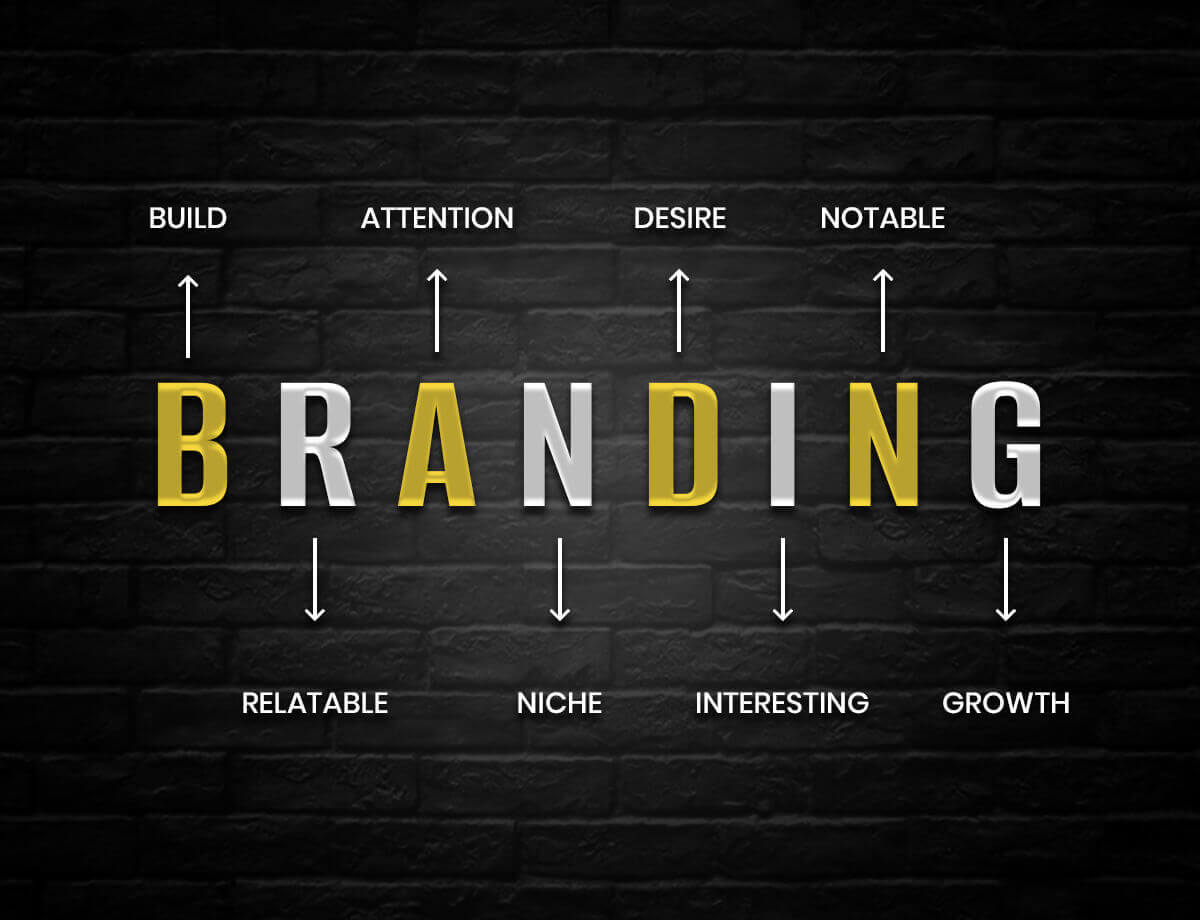
Branding services are about helping businesses to build a unique identity and create a consistent image across all customer touchpoints. They include brand strategy, logo design, colour palettes, typography, brand messaging, positioning, and visual guidelines. These services help businesses communicate their values, stand out from competitors, build customer trust, improve brand recognition, and create a memorable experience that supports long-term business growth.
What are included in Branding Services?
Branding services help shape how a business looks, communicates, and connects with its audience. The process usually begins with understanding the company’s goals, target customers, competitors, strengths, and long-term plans.
Based on these insights, branding specialists develop the brand’s market position, visual identity, messaging, and communication style. They then apply these elements across relevant customer touchpoints to create a consistent experience. The exact services depend on whether a business is building a new brand, refreshing its existing identity, or repositioning itself to reach a different audience.
Ultimately, branding aims to create a distinct and recognisable identity that reflects what a business stands for and gives customers a clear reason to choose it.
Why Most Businesses Underestimate What Branding Services Do
Many businesses think branding is mainly about creating a logo, choosing colours and typography, and designing promotional materials. While these elements matter, they are only one part of the overall process.
A strong brand also needs a clear market position, a well-defined target audience, a consistent voice, and a compelling reason for customers to choose it over competitors. Without these foundations, even attractive visuals may struggle to make the business stand out.
Branding brings all these elements together to create a consistent identity that reflects the company’s real value, builds recognition, and communicates what makes the business different.
What Operating Without a Digital Brand Strategy Actually Costs Over Time
Without a clear digital brand strategy, a business can end up sending different messages across its website, social media channels, email campaigns, advertisements, and other digital platforms. This can leave customers unsure about what the company offers, who it serves, and why they should choose it over competitors.
Over time, this inconsistency can make brand recognition harder to build and force marketing teams to repeatedly explain the same value proposition. It can also slow down content production because there is no shared direction for messaging, visual design, or tone of voice.
A well-defined strategy gives everyone a common understanding of how the brand should look, sound, and communicate. This makes it easier to plan campaigns, create relevant content, and maintain consistency as the business grows.
The cost of working without a digital brand strategy goes beyond inconsistent marketing materials. Businesses may struggle to build customer trust, differentiate themselves in crowded markets, and create a memorable experience across multiple touchpoints. Marketing teams may also waste time revising content that doesn’t align with the company’s identity.
Why the Real Scope of What Are Branding Services Goes Far Deeper Than Design
Visual design helps people recognise a brand, but the strategy behind it determines what that brand should communicate and how it should stand out. For example, a premium service provider may want to highlight expertise, trust, and reliability, while a consumer brand might focus more on personality, convenience, or lifestyle.
These differences shape more than just the logo or colour palette. They influence the brand’s messaging, tone of voice, customer experience, and how it communicates its value across different platforms. Every element should work together to create a consistent impression.
Understanding what are branding services is looking beyond the visual elements and considering the thinking behind every brand decision. Without a clear strategy, businesses may choose designs based on personal taste rather than customer expectations, market positioning, or business goals. A strong foundation ensures that the brand’s appearance and communication reflect what the company genuinely offers and what makes it relevant to its target audience.
How Brand Identity Development Services Shape Perception, Competition and Trust
Brand identity development services help businesses translate their brand positioning into a consistent visual and verbal identity. This can involve creating a logo, selecting typography and colours, choosing imagery, defining messaging and tone of voice, and setting guidelines for using these elements across different platforms.
When all these elements communicate the same message, customers can recognise the brand more easily and develop a clearer understanding of what the business represents. A consistent identity also helps a company stand out from competitors and present itself professionally.
What Businesses Gain From Comprehensive Branding That Partial Approaches Cannot
Handling branding as a series of separate design tasks may improve individual marketing materials, but it doesn’t always address the bigger question of how customers perceive the business. Comprehensive branding brings market positioning, visual identity, messaging, and customer experience together to create a consistent brand.
With this unified approach, businesses can make more confident marketing decisions, communicate their value more clearly, and maintain a recognisable identity across different channels. It also creates a solid foundation for future growth, making it easier to introduce new products, reach different audiences, or expand into new markets without losing the brand’s core identity.
10 Core Branding Services That Build a Strong Brand Identity
1. Brand Strategy and Positioning
Brand strategy defines a business’s purpose, ideal customers, market position, unique strengths, and long-term goals. It helps answer important questions: Who is the business trying to reach? What needs does it address? And what makes customers choose it over other options?
A well-defined brand position gives every other branding activity a clear direction. It also helps businesses communicate their value more effectively by focusing on the benefits and qualities their target audience cares about most.
2. Brand Identity Development Services
Brand identity development services transform a business’s positioning into a distinct identity that people can recognise and remember. These services can include logo design, colour palettes, typography, imagery, brand messaging, and tone of voice.
The goal is to create an identity that stands out while working consistently across different platforms and materials. Whether it’s a website, social media post, product packaging, presentation, or advertisement, every element should reflect the same brand personality and communicate a consistent message to customers.
3. Brand Naming and Verbal Identity
A strong brand name should be easy to remember, fit the target market, and reflect how the company wants to be positioned. The naming process may include brainstorming ideas, checking linguistic suitability, reviewing competitor names, and researching preliminary availability.
Verbal identity defines how a brand speaks to its audience. It includes the writing style, brand personality, key messages, taglines, and preferred terminology. Together, these elements help maintain a consistent brand voice across all communications, regardless of who creates the content or which platform it appears on.
4. Digital Brand Strategy
A digital brand strategy sets the direction for how a business presents itself and communicates across its website, social media, email campaigns, digital advertising, and other online channels.
It brings the brand’s positioning into everyday marketing decisions, including content creation, visual design, tone of voice, and customer experience. A well-planned strategy also helps businesses adapt their communication to suit different platforms while maintaining a recognisable and consistent identity. Brandpie highlights this connection between the brand’s overall direction and the digital experiences customers encounter online.
5. Brand Guidelines and Standards Documentation
Brand guidelines provide clear instructions on how a business should present its identity across different platforms and materials. They typically include logo placement, colour codes, typography, imagery, layouts, tone of voice, and examples of what to follow and avoid.
These guidelines make it easier for in-house teams and external partners to create materials that look and feel consistent without having to make every decision from scratch. Frontify also highlights the importance of making brand guidelines practical and easy to use, so people can apply them when creating, updating, and managing brand assets rather than treating them as documents that simply sit unused.
6. Brand Identity Design Examples and Application
Effective brand identity design examples show how a brand’s identity comes together in real-world situations, rather than focusing on the logo alone. These applications can include website homepages, product packaging, social media graphics, business stationery, presentation templates, and advertising materials.
Looking at these examples helps businesses understand whether their brand identity works well across different formats and platforms. It also helps them check whether the visuals, messaging, and overall brand personality work together to create a consistent and recognisable experience for customers.
7. Rebranding Services
Rebranding services help businesses refresh their identity when their target audience, market conditions, products, or overall business goals change. This process may include repositioning the brand, choosing a new name, redesigning visual elements, refining brand messaging, or updating brand guidelines.
A successful rebrand starts with a clear understanding of why change is needed. Before making visual updates, businesses should identify what is no longer working, which elements customers already recognise, and what the refreshed identity should communicate. This helps create a brand that feels relevant to its audience while maintaining the right connections with existing customers.
8. Brand Identity Development Services for Digital-First Businesses
Businesses that operate mainly online need a brand identity that feels consistent across websites, mobile interfaces, social media, digital advertisements, and online customer support. These brand identity development services focus on creating an identity that adapts smoothly to different screen sizes, content formats, and digital platforms.
The goal is to make the brand easy to recognise without affecting the user’s experience. This requires a balance between visual appeal and practical elements such as readability, accessibility, usability, and consistency, ensuring customers can interact with the brand comfortably across different digital touchpoints.
9. Brand Experience Design
Brand experience refers to how customers interact with a business at every stage of their journey. It includes everything from browsing the website and submitting enquiries to exploring products, receiving customer support, unboxing purchases, and getting post-purchase updates.
Every interaction shapes the way customers feel about a business. For instance, a brand may have a premium look, but a difficult-to-navigate website or inconsistent customer service can leave a poor impression. Brand experience design helps businesses bridge this gap by ensuring that the actual customer experience reflects the promises made through their marketing and brand messaging.
10. Brand Performance Measurement
Brand performance measurement helps businesses understand whether their branding efforts are making a difference in brand recognition, customer perception, engagement, and overall business results. Depending on their goals, businesses can track metrics such as branded search activity, customer feedback, brand awareness surveys, engagement rates, conversions, repeat purchases, and customer retention.
Looking at just one metric may not provide the full picture. By combining numerical data with genuine customer feedback, businesses can better understand how their brand is performing, identify areas for improvement, and make informed decisions about future branding efforts.
Branding Services vs Brand Strategy
Brand strategy and branding services work together to build a strong brand, but each serves a different purpose. Brand strategy establishes the direction a business wants to take, while branding services turn that direction into a clear identity that customers can recognise and connect with.
Branding services bring these strategic decisions to life through brand naming, visual design, messaging, brand guidelines, digital experiences, and other brand assets. For example, if a company wants to position itself as a trusted specialist for small businesses, its branding should communicate reliability through its logo, website, content, sales materials, and customer interactions.
The Commercial Case for Investing in Branding Services
Investing in branding services can deliver real business value when branding efforts are aligned with clear business goals. A strong brand identity helps customers understand what a business offers, see how it differs from competitors, and recognise it across different platforms and interactions. This familiarity can also help build trust and make the business more memorable.
Branding also gives marketing and sales teams a consistent direction. When the brand’s positioning, messaging, and visual identity are clearly defined, teams can create campaigns and sales materials that communicate the same message. Instead of repeatedly deciding how the business should present itself, they can focus on reaching the right audience and communicating the value of their products or services. Over time, this consistency can strengthen brand recognition, improve customer communication, and support long-term business growth.
Why Investing in Branding Can Lower Marketing Costs Over Time
A strong, recognisable brand can make marketing more effective over time by helping potential customers become familiar with the business and understand the value it offers. When branding remains consistent across different channels, customers can recognise the business more easily, understand its message, and feel more confident about taking the next step towards an enquiry or purchase.
While branding does not automatically guarantee lower customer acquisition costs, it can contribute to better brand recognition, clearer communication, customer referrals, and repeat business. These advantages may help businesses attract and retain customers more efficiently. When supported by relevant offers, targeted marketing campaigns, and a smooth customer journey, strong branding can improve marketing effectiveness and contribute to sustainable business growth.
Why Digital Brand Strategy Drives Organic Visibility and Inbound Leads
A consistent digital presence makes it easier for potential customers to understand what a business offers and find answers to their questions. Clear messaging, helpful content, recognisable branding, and an easy-to-navigate website all contribute to a smoother customer journey.
A well-defined digital brand strategy also helps businesses plan content that reflects their audience’s needs while showcasing their knowledge and expertise. By sharing relevant information and maintaining a consistent message across digital channels, businesses can gradually build familiarity and trust. Over time, these efforts may encourage more branded searches, increase audience engagement, and attract qualified inbound leads from people who are genuinely interested in their products or services.
Frequently Asked & Questions
1. What are branding services and what do they include?
They help businesses build their brand through strategy, naming, design, and messaging.
2. How Do Branding Services Differ from Brand Identity Design Services?
Branding shapes how people perceive a business, while brand identity development creates its logo, colours, typography, and messaging.
3. Why does my business need a digital brand strategy?
It keeps your brand consistent across your website, social media, and other online channels.
4. How Do Branding Services Differ from Brand Identity Development?
You may need them if your brand lacks a clear identity or struggles to stand out from competitors.
5. What are some strong brand identity design examples to learn from?
Look for brands that use consistent logos, colours, typography, and messaging across platforms.
6. How long do professional branding services take to show results?
The timeline depends on the project, while building brand recognition usually takes consistent effort over time.